
Garden fencing installation, built to last
All types of fencing for homes across South Yorkshire, North Notts and North Lincs — from budget panels to bespoke.

How we put up a fence
Every fence starts with a site visit. We check the boundary line, the ground, any slopes and what the fence needs to do — privacy, security, keeping pets in or simply looking smart.
- Concrete or wooden posts set in concrete to the right depth for the height of the fence.
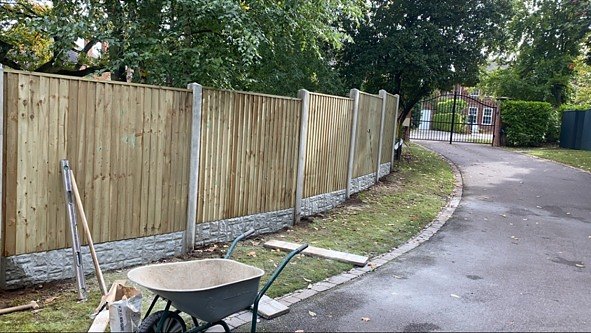
- Gravel boards (kickboards) along the bottom so the timber never sits in wet soil.
- Galvanised or stainless fixings so nothing rusts and stains the timber.
- Old fencing removed and the site left tidy.
All types of fencing
Every garden is different, so we quote each job — here is how the options compare.
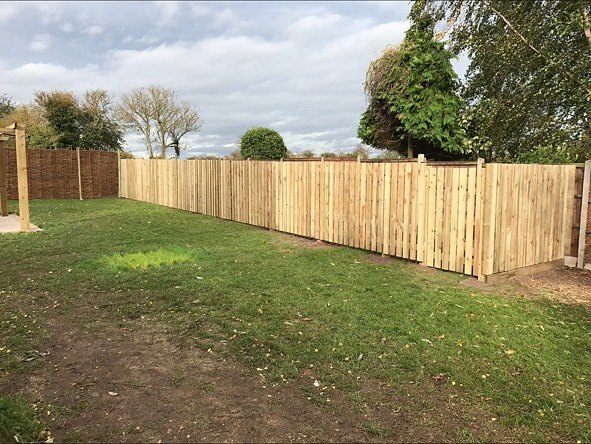
Closeboard fencing
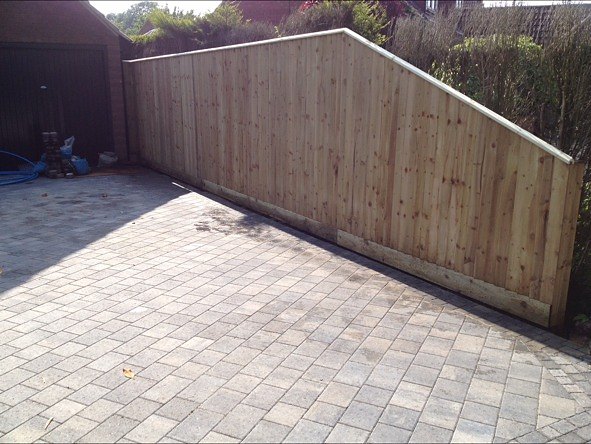
Featheredge boards fixed on site to rails. Strong, private and the best choice for exposed, windy gardens.
Vertilap & lap panels
Ready-made panels in all sizes, from budget lap panels to heavier vertilap — a quick way to secure a boundary.
Slatted & bespoke panels
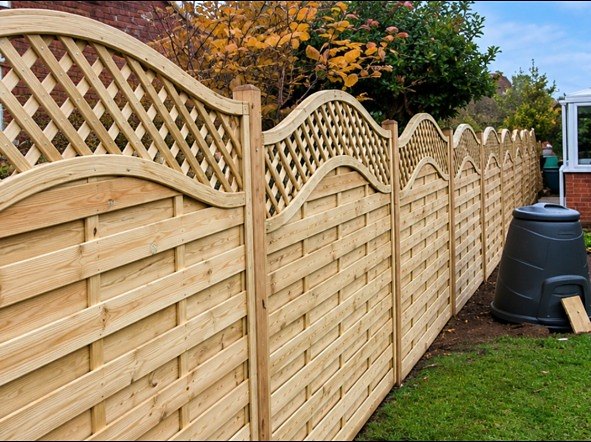
Contemporary slatted screens and high-end bespoke panels for gardens where the look matters as much as the privacy.
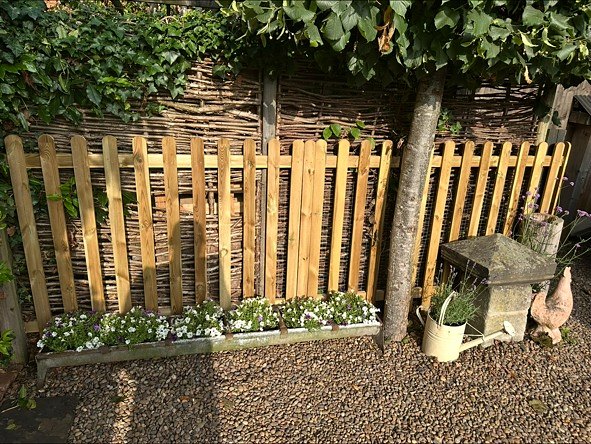
Picket fencing
Round or pointed top, for front gardens and keeping dogs or children safely in without blocking the view.
Post and rail
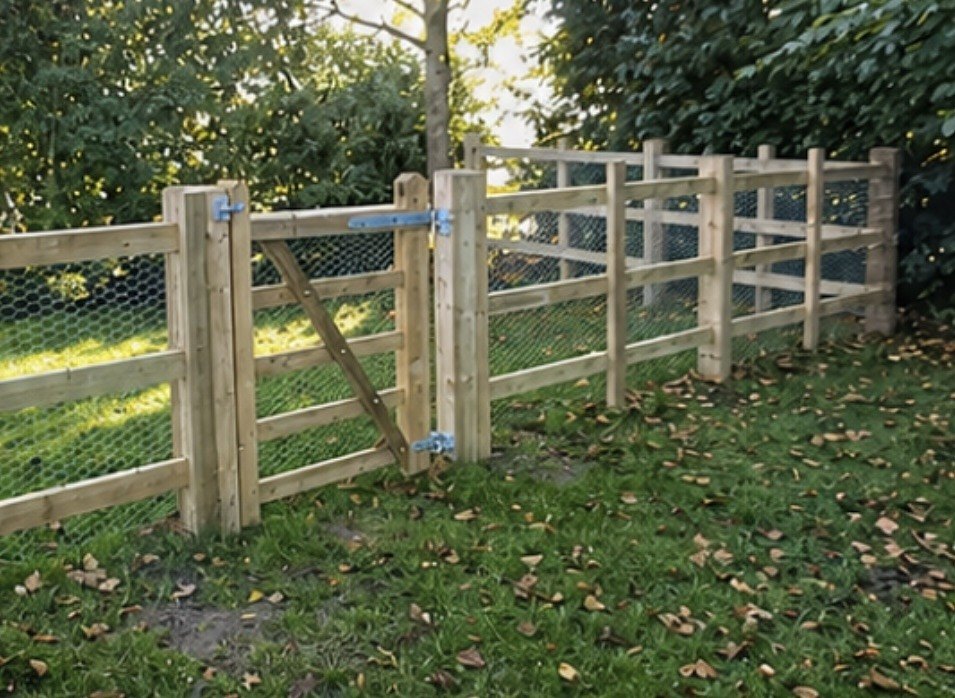
Simple, strong boundaries for paddocks, rural properties and long runs.
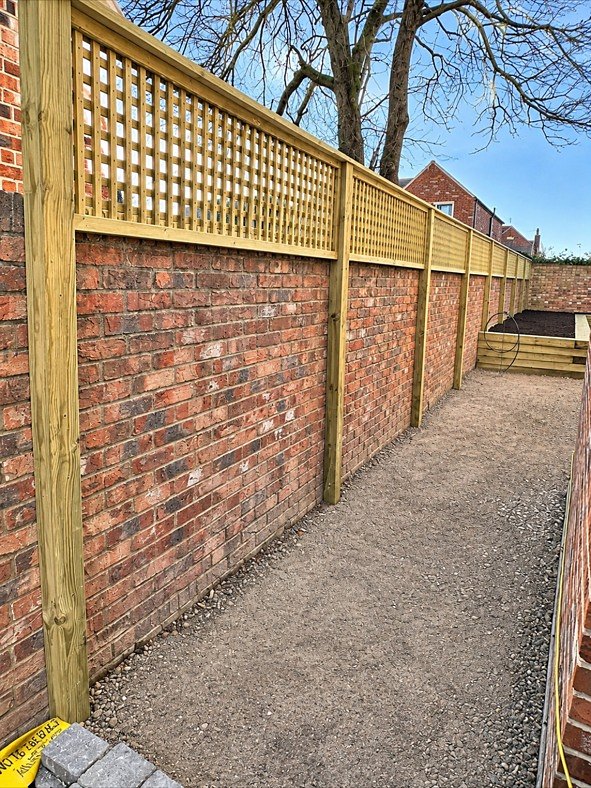
Hazel, willow & trellis
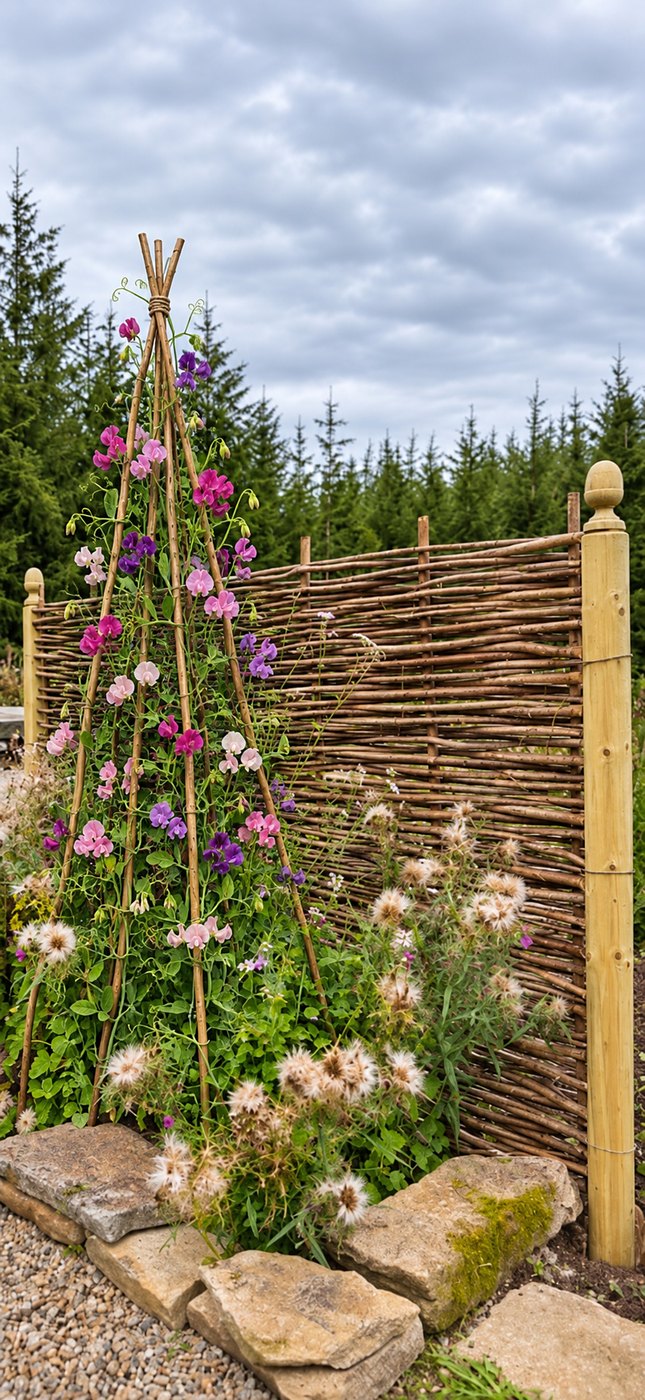
Woven hazel and willow panels for a natural look, and trellis panels for climbers and toppers.
Fencing questions
Concrete or wooden posts?
How high can my garden fence be?
Which side of the fence faces my neighbour?
How long does it take?
Ready for a new fence?
Tell us the rough length and where you are, and we will arrange a free visit.
Get a free quote